
Certified for the
zone you're in.
ATEX and IECEx certified enclosures for Zone 1, Zone 2 and Zone 22. Ex e, Ex ia, Ex s, Ex nR and Ex tb variants. Manufactured in Kent, fully documented, ready to install.
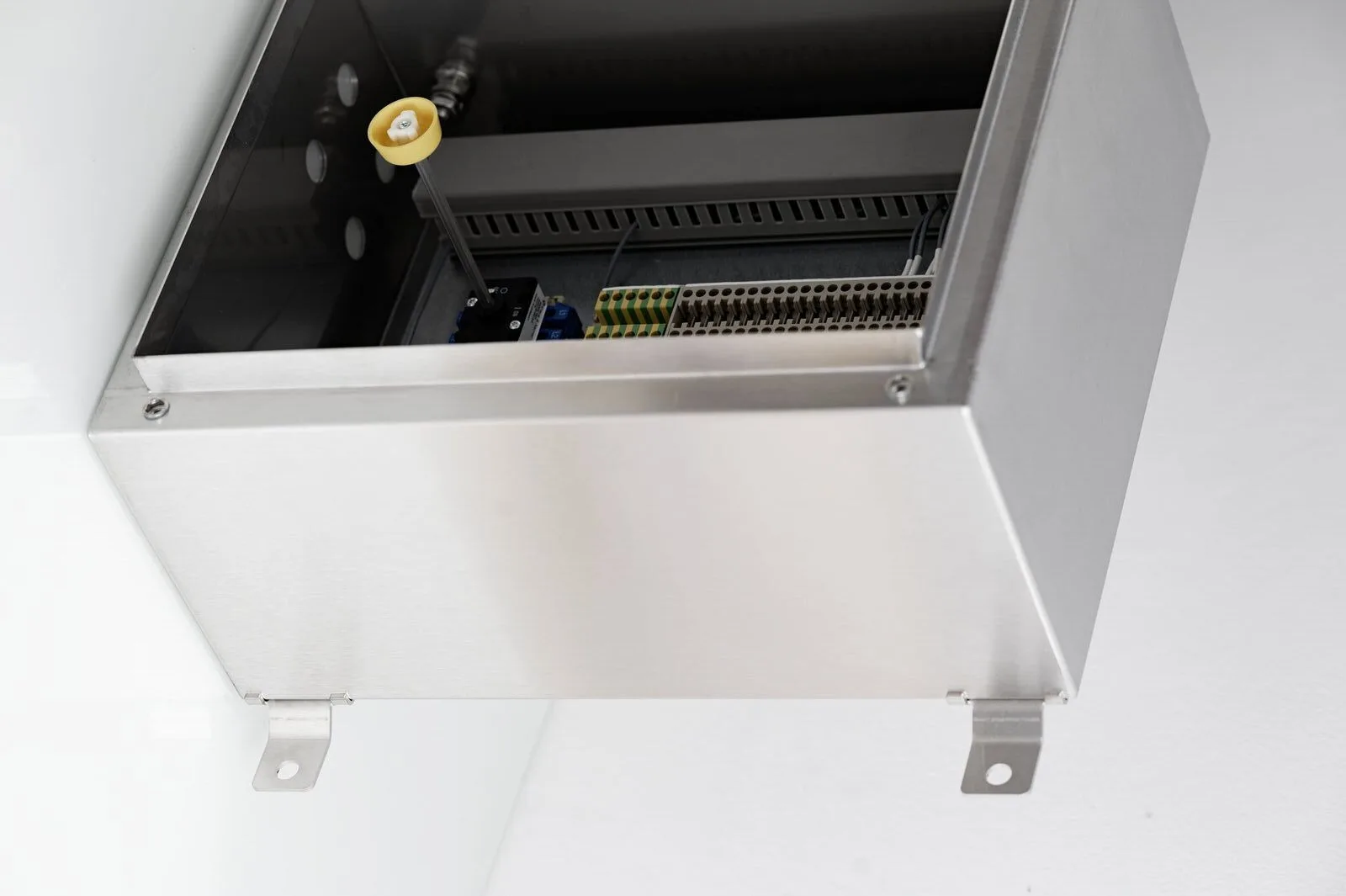
What is ATEX?
A plain-English zone guide.
ATEX Directive 2014/34/EU classifies locations by the likelihood of an explosive atmosphere. The zone determines the equipment category required. Below: the five zones you'll encounter. For the full classification methodology, see HSE ATEX guidance.
Continuous presence of explosive gas atmosphere. Applies inside vessels, pipework. Requires Category 1G equipment. indEx can supply Ex ia enclosures for this zone.
Likely explosive gas atmosphere in normal operation. Most common in O&G processing areas. Requires Category 2G (Ex e, Ex d, Ex ia, Ex s).
Not likely in normal operation; only briefly if fault occurs. Permits Category 3G, including Ex nR restricted breathing enclosures.
Likely combustible dust atmosphere in normal operation. Food, chemical, pharmaceutical. Requires Category 2D (Ex tb, Ex mb). indEx can supply component-approved enclosures for this zone, but not apparatus-certified.
Combustible dust only under abnormal conditions, short duration. Permits Category 3D enclosures.
Six methods.
One right choice for your zone.
Each Ex protection method is defined by an IEC 60079 standard and assigned to specific equipment categories. The method determines what can be housed inside and which zones the enclosure is certified for.
Eliminates arcs, sparks and excessive temperatures in normal operation through design measures: improved insulation clearances, robust terminals, anti-loosening fasteners. The most common ATEX protection method for terminal boxes and junction boxes.
The enclosure can contain an internal explosion and prevent flame propagation to the external atmosphere. Characterised by precisely machined flange gaps. Used where sparking internal components cannot be avoided.
Limits electrical energy in the circuit below the minimum ignition energy of the hazardous atmosphere,even under fault conditions. The only method suitable for Zone 0. Requires certified associated apparatus (Zener barriers, galvanic isolators).
A protection concept evaluated on a case-by-case basis by a Notified Body against IEC 60079-33. Used where standard protection methods are not applicable or where a combination of protection techniques is required to meet the ATEX Essential Health and Safety Requirements.
Limits the rate of gas ingress to the enclosure, preventing an explosive atmosphere forming inside. Simpler and lower-cost than Ex d for Zone 2 applications where a reduced degree of protection is acceptable.
Prevents dust from entering the enclosure and accumulating on surfaces where it could ignite. Temperature classification applies to external surfaces as well as internal. Used in Zone 22 dust environments.
Six ATEX certified
product lines.
Each line is ATEX and IECEx certified. Sizes, materials and entries are configured to your spec. No off-the-shelf SKUs,every unit is built to your drawing.
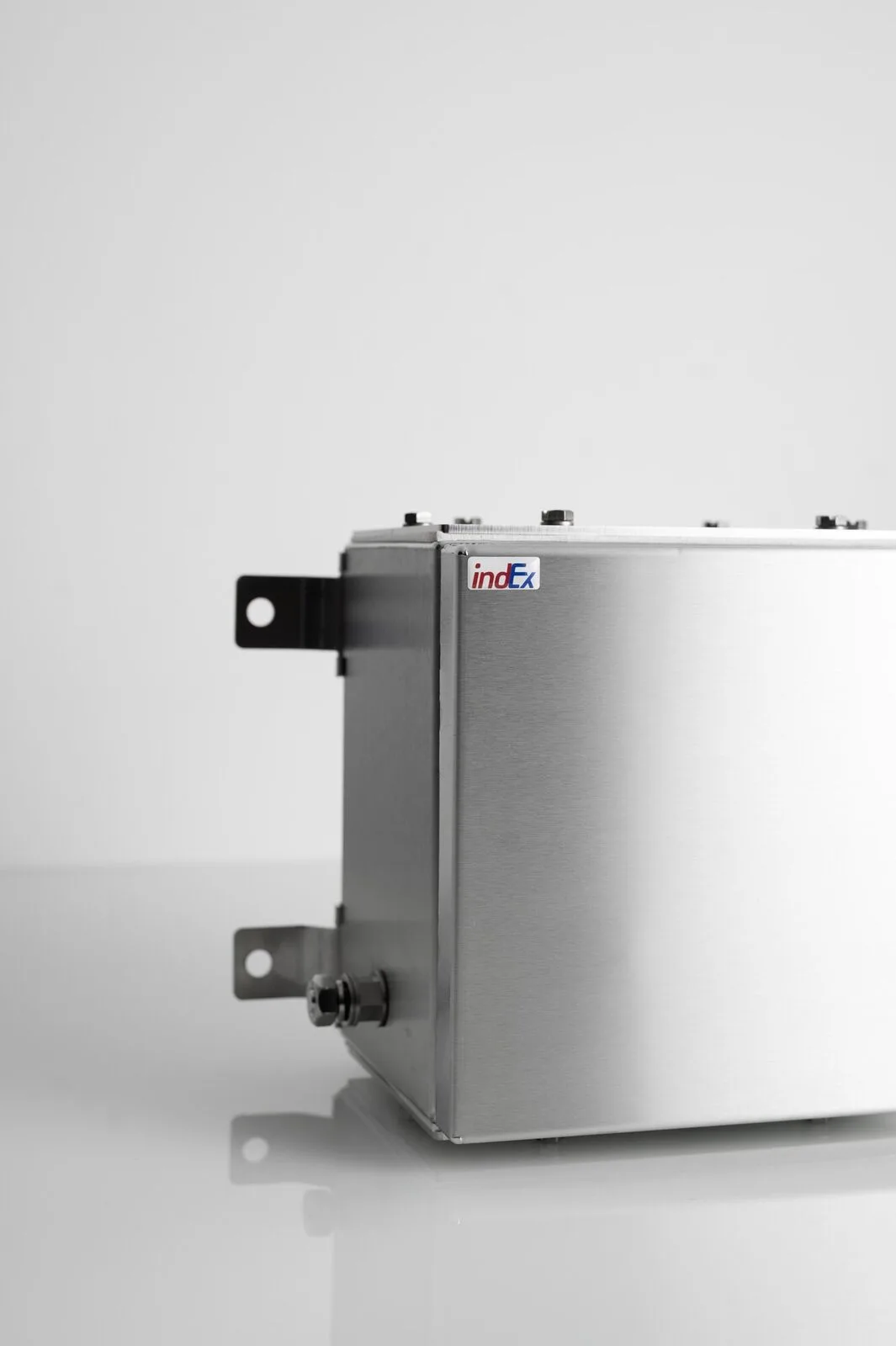
iTB Terminal Boxes
Hinged lid, ATEX Ex e configuration. Available in 316L stainless, 304 stainless and GRP. Custom sizes to match any footprint from 250×150×130 to 2000×1000×800. Populated with certified Ex e terminals to your specification.
Learn more → Download datasheet ↓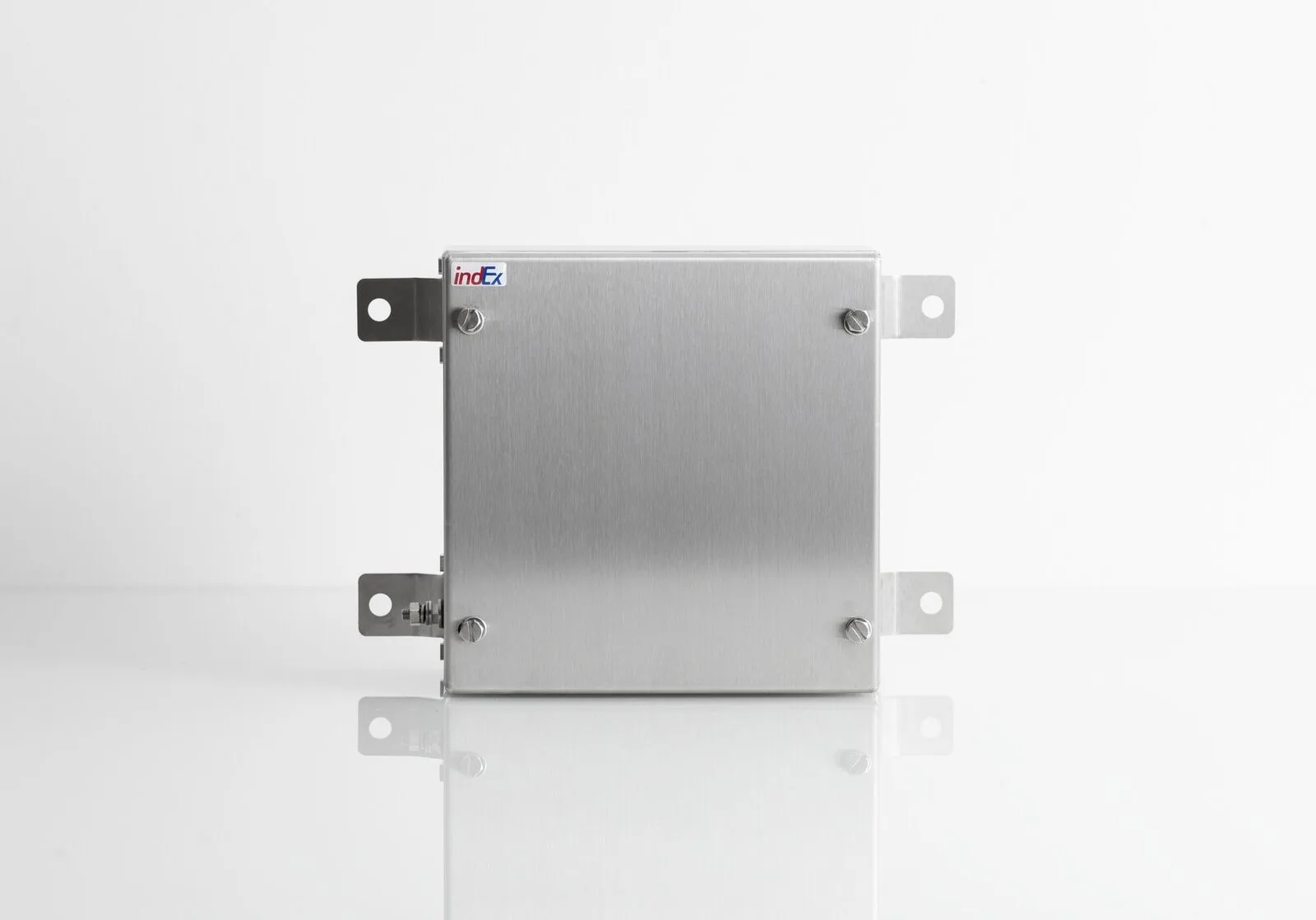
iSTB Junction Boxes
Bolted lid, ATEX Ex e configuration. Marine-grade 316L as standard. Custom sizes to match any footprint from 120×120×90 to 2000×1200×800. Single or multiple gland plates, cable entry from any face.
Learn more → Download datasheet ↓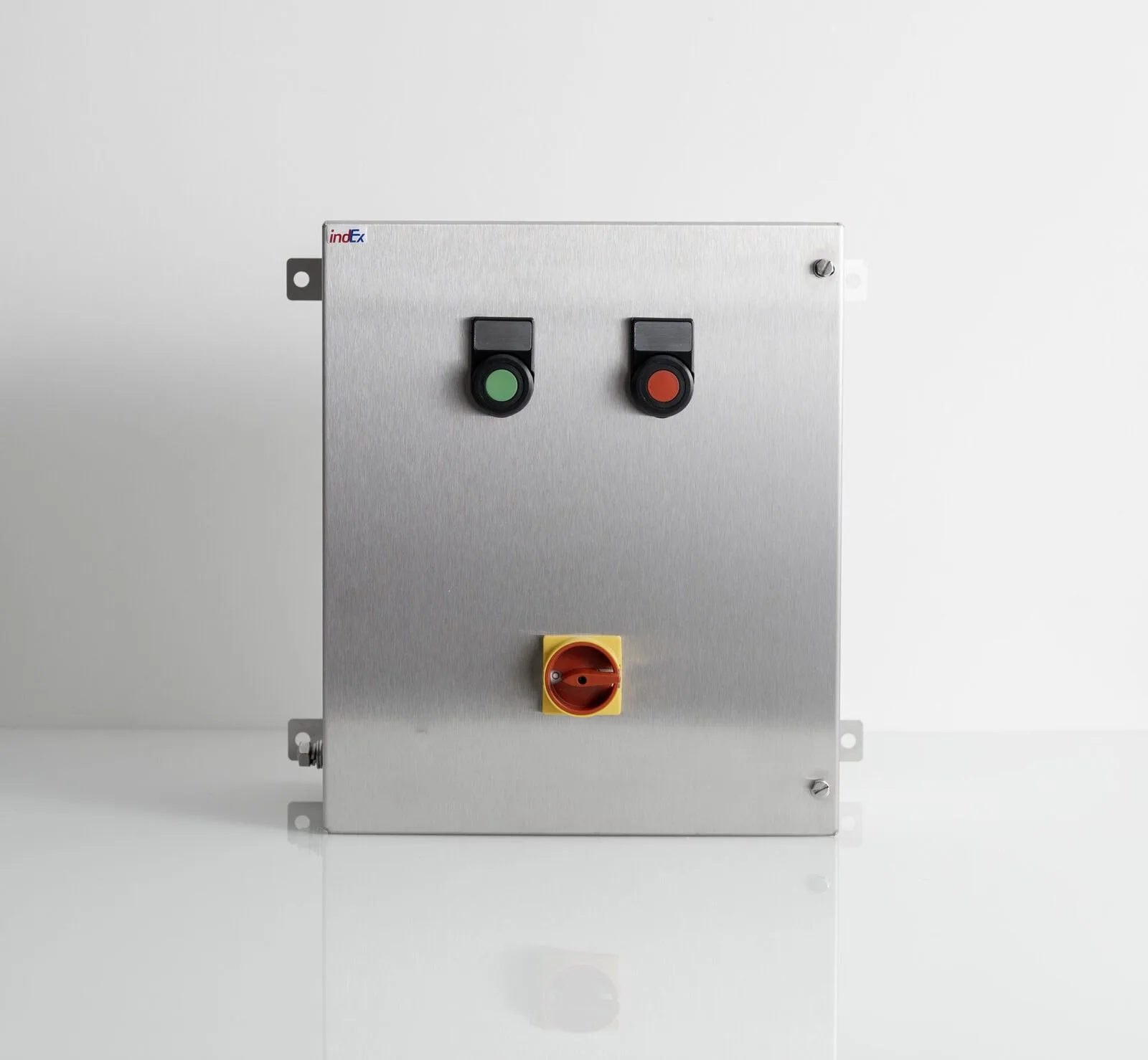
iCS Control Stations
Custom control stations for Zone 1, Zone 2 and Zone 22. Populated with ATEX-rated pushbuttons, selector switches, isolators and pilot lamps. Wired and tested in-house.
Get a quote →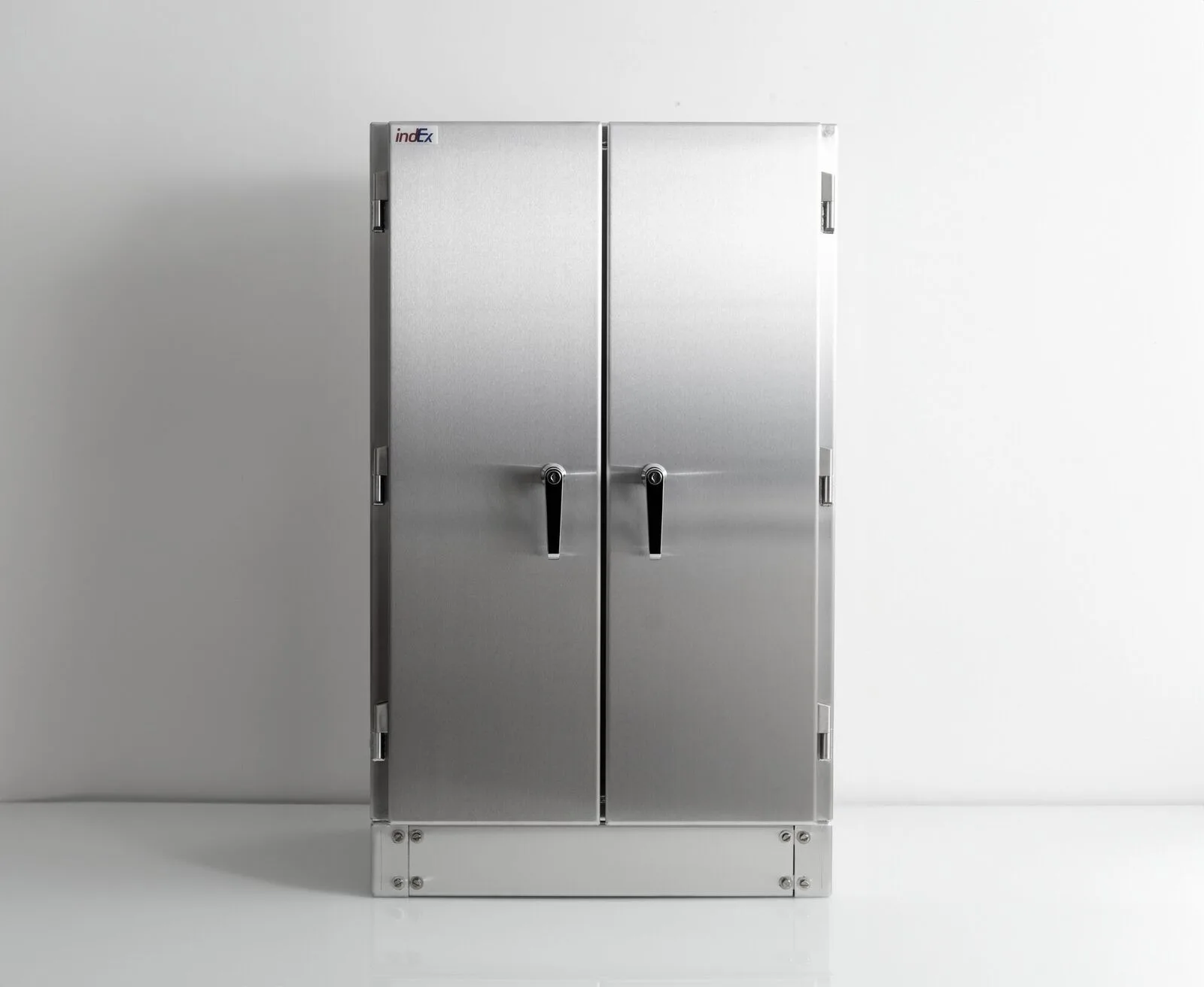
iCAB Cabinet Enclosures
Floor-standing and wall-mounted cabinet enclosures for MCC, distribution and control applications in Zone 1 and Zone 2. Custom sized up to 2000×1200×800. Available with internal mounting plates, cable management and custom cutouts.
Learn more →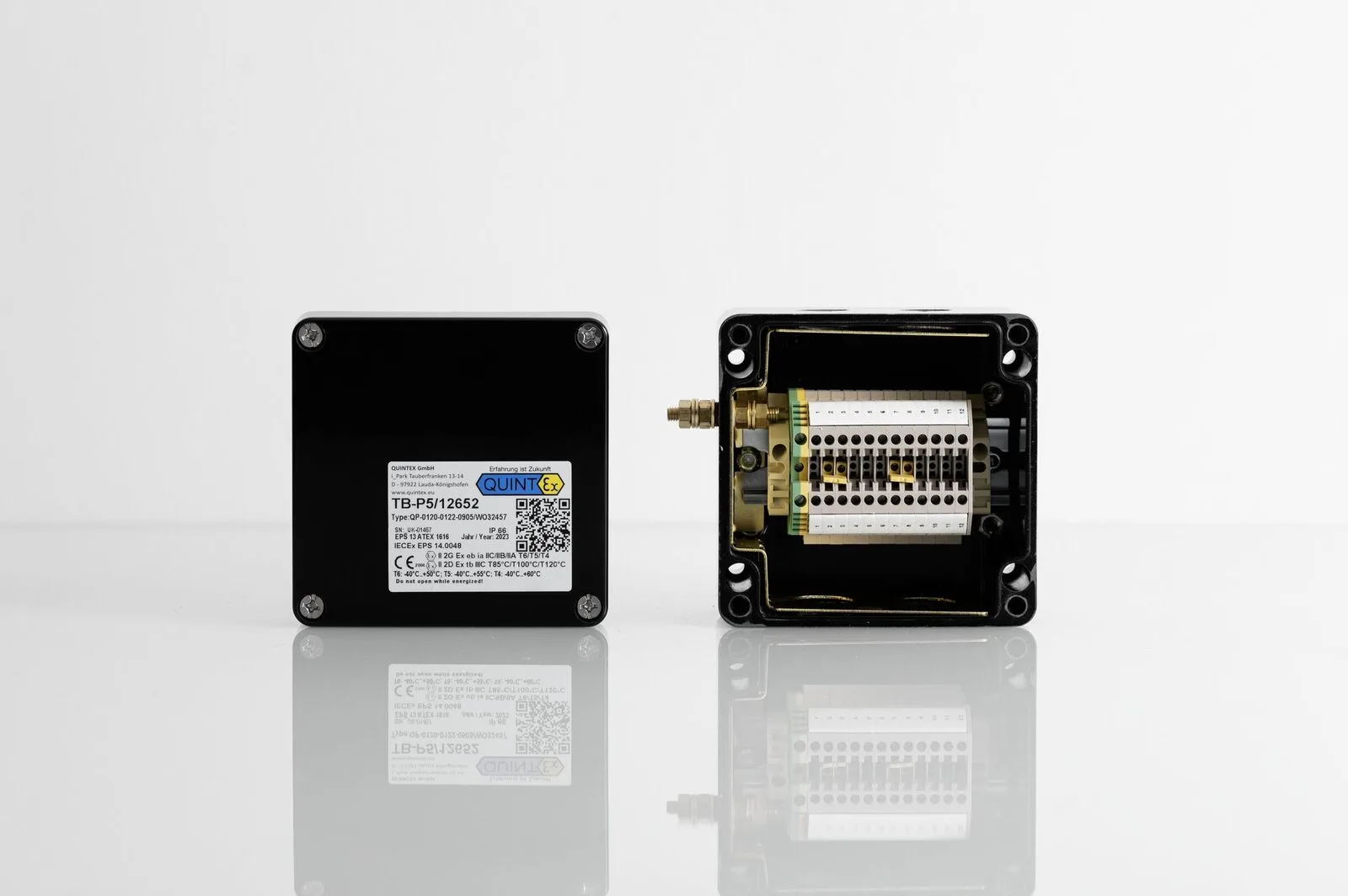
iGRP Enclosures
Glass-reinforced polyester enclosures for corrosive environments where metallic enclosures are unsuitable. Lighter than stainless, non-magnetic, excellent chemical resistance. Certified Ex e to Zone 1.
Learn more → Download datasheet ↓
iEx·s Enclosures
Ex s special protection enclosures allow standard (non-Ex) equipment to be installed safely in Zone 1 and Zone 2. Engineered and certified on a case-by-case basis under IEC 60079-33. Contact us with your equipment list.
Get a quote →Four materials.
One factory.
Material choice is driven by the environment, not the catalogue. We cut, weld and finish all four materials in our Kent facility. No subcontracted fabrication.
Molybdenum-enhanced austenitic grade with superior chloride resistance. Standard for marine, offshore and coastal chemical environments. Available in grit brushed finish.
General-purpose austenitic stainless. Lower cost than 316 where chloride exposure is limited. Commonly specified for food and pharmaceutical environments with caustic cleaning. Same forming and welding as 316.
Hot-rolled and cold-rolled mild steel for protected environments. Powder-coated to RAL colour of choice. Lower cost where stainless or GRP is not required by the environment.
Halogen-free glass-reinforced polyester with excellent chemical resistance. Non-magnetic, lightweight, non-conductive. Specified where stainless is not suitable,aggressive acids, coastal brine, RF-transparent applications.
Where our ATEX enclosures go.
Onshore, offshore, FPSO. Zone 1 and Zone 2 enclosures for instrumentation, control and power distribution. North Sea and international project experience.
Marine-grade 316L stainless throughout. Drilling rigs, dredgers, hybrid ferry programmes.
Refineries, chemical blending and storage. Corrosion-resistant materials, full ATEX paperwork.
Pumping stations, water treatment, biogas. Zone 22 dust environments. GRP and stainless options for external and wet-area installations.
ATEX, answered.
If your question isn't here, our engineering desk answers the same working day.
What is an ATEX enclosure?
What is the difference between Zone 1 and Zone 2?
What IP rating do I need for outdoor use?
What is an Ex s (special protection) ATEX enclosure?
How long does ATEX certification take?
What protection methods are used in ATEX enclosures?
Got an ATEX brief?
We'll quote it today.
Send a drawing, a sketch, or a specification. Our engineering desk responds the same working day,Mon–Fri, 8am–4.30pm GMT.